Shipping Container Grades 101: A Buyer’s Guide for 2026

1. Introduction
Entering the world of industrial storage and modular building can be overwhelming, but finding the right shipping containers resources is the best way to start your project with confidence. Whether you’re looking for a durable storage solution, a specialized workspace, or the skeleton for a new home, understanding the nuances of steel grades and dimensions is essential. Because there are so many options—from 20ft standard units to 40ft high cubes—choosing the right shipping containers for your specific needs will save you thousands in the long run. In this 1,200-word master guide, we will break down the grading systems, delivery logistics, and how to prepare your site for a seamless delivery.
2. What Exactly is a Shipping Container?
To master the world of shipping containers, you first need to understand their construction. These are “intermodal” units made of Corten steel (weathering steel), designed to withstand the harshest conditions on the open ocean. They are standardized globally to ensure they can be moved by ship, train, and truck without the need to unload the contents.
When you search for shipping containers, you are looking for a structure that is fire-resistant, theft-proof, and virtually indestructible. Originally designed for logistics, they have become the gold standard for sustainable architecture because they are infinitely modular and structurally self-supporting.
3. One-Trip, Cargo Worthy, or WWT?
One of the most confusing parts of buying shipping containers is the terminology used for their condition. Here is a simple breakdown of the three main grades:
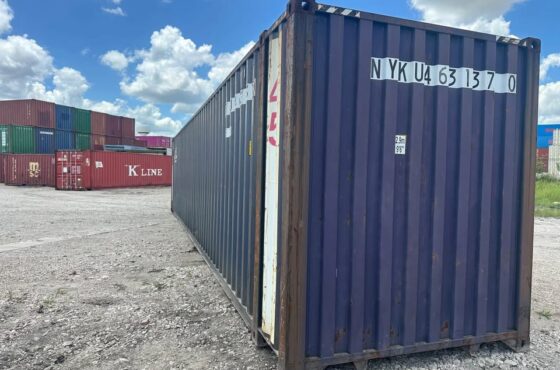
- One-Trip Containers: These are the “newest” units available. They have made a single trip across the ocean and are in pristine condition with minimal scratches and no rust.
- Cargo Worthy (CWO): These used units have been inspected and certified for international shipping. They may have some surface rust and dents, but they are structurally sound.
- Wind and Watertight (WWT): These are the most budget-friendly. They are no longer certified for sea travel but are guaranteed to keep the elements out.
4. Choosing the Right Size and Type
The beauty of shipping containers is that there is a size for every preference. Here are the most common configurations:
20ft Standard Containers
The 20ft unit is the most popular entry point for shipping containers. It fits in a standard parking space, making it the perfect choice for residential storage or a small backyard workshop.
40ft High Cube Containers
For those who need maximum volume, the 40ft High Cube offers an extra foot of vertical headspace (9’6″ vs the standard 8’6″). This is the preferred choice for container homes where ceiling height is needed for insulation and lighting.
Open Side and Double Door Units
If you have specific loading needs, specialized shipping containers like “Open Sides” (the entire long wall opens) or “Double Doors” (doors at both ends) provide the accessibility standard units lack.
5. Site Preparation: The Foundation of Success
The “Golden Rule” for shipping containers is to ensure your site is level before the truck arrives. If the ground is uneven, the doors will not align, and the unit will be difficult to open.
- The Surface: We recommend a gravel pad, concrete footings, or railroad ties to keep the container off the damp ground.
- The Clearance: Ensure you have at least 100 feet of straight-line clearance for a 40ft unit delivery.
- The Leveling: Use a laser level to ensure all four corners are on the same plane.
Following this structured approach to shipping containers ensures your unit lasts for 25+ years without structural decay.
6. Container Modifications: A New Frontier
Many people start their journey by looking for shipping containers to convert into offices or studios. These units are like giant LEGO blocks. You can add windows, HVAC systems, and electrical packages. However, safety is paramount—always ensure you are working with a professional for structural cuts to maintain the integrity of the roof and walls.
7. How to Spot a High-Quality Container
Because the container industry is vast, not every seller is trustworthy. To ensure your shipping containers purchase remains a positive experience, always check for these three “Green Flags”:
- Door Gaskets: The rubber seals should be intact and pliable to prevent leaks.
- Floor Condition: Check the marine-grade plywood floors for heavy staining or soft spots.
- The CSC Plate: For used units, a valid CSC plate proves the container has been maintained to international standards.
8. Potential Logistics and Permits
To provide a truly comprehensive guide on shipping containers, we must discuss local regulations. While containers are versatile, some areas have specific rules:
- Zoning Laws: Some HOAs or municipalities classify containers as “temporary structures,” while others require permanent foundations.
- Delivery Access: Remember that the delivery truck is heavy. Soft mud or steep inclines can prevent a successful drop-off.
- Building Permits: If you are adding plumbing or electricity, you will likely need a permit, even for a “movable” container.
9. FAQ: Common Questions About Shipping Containers
Q: Do shipping containers rust? A: They are made of Corten steel, which develops a protective layer of oxidation. However, a fresh coat of marine-grade paint every few years will prevent deep corrosion.
Q: How long do they last? A: A One-Trip unit can last 30+ years, while a well-maintained WWT unit typically lasts 15-20 years for static storage.
Q: Can I move the container after it’s been delivered? A: Yes, but you will need a tilt-bed truck or a crane, depending on how much weight is inside the unit.
10. Conclusion: Your Journey Starts Here
Embarking on a path with shipping containers is about unlocking space and versatility. Whether you choose a 20ft unit for secure tool storage or a high-cube for a custom home build, the key is quality and preparation. By understanding the grades and prepping your site correctly, you can harness the strength of steel to support your vision.
Ready to find your perfect unit? Explore our full collection of premium containers.
Local Zoning Resource: A tool for readers to check their local building codes.
ISO Standards for Containers: Official specs for container dimensions.
Corten Steel Facts: Scientific data on why weathering steel is superior for containers.